November 6, 2026
A low estimate can look appealing when a tree needs pruning or removal, especially after a storm. But the final price is only one part of the decision. Poorly planned work can damage a roof, leave a tree unstable, or create unexpected costs after the crew leaves. That does not mean affordable service is automatically unsafe; skill, insurance, and a clear work plan matter more than price alone. Before hiring, homeowners should understand how tree removal companies approach safety, property protection, and the long-term health of nearby trees.
Check Training and Experience Before Hiring
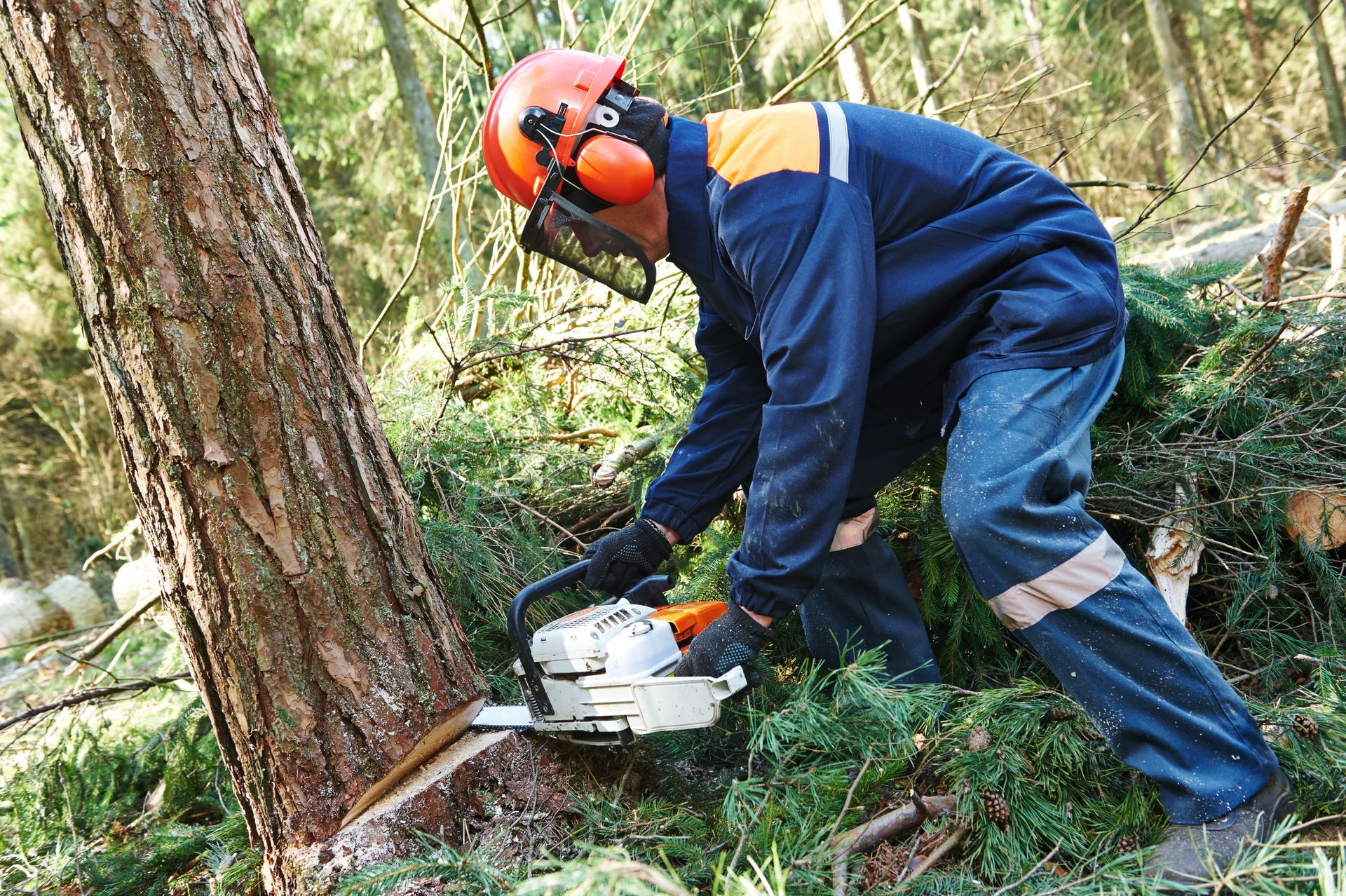
Tree work involves more than cutting branches. Crews must recognize decay, estimate how limbs may move, and decide whether climbing, rigging, or specialized equipment is appropriate. A worker unfamiliar with these tasks can put people, buildings, and surrounding plants at risk. Ask prospective providers who will supervise the job, what experience they have with similar trees, and whether relevant professional credentials can be verified.
Certified arborists can offer specialized knowledge about tree condition and pruning decisions, although certification is not a substitute for appropriate equipment or safe job practices. Licensing rules also vary by location. Rather than accepting broad claims of expertise, request references and ask how the crew would handle the specific challenges on your property. A modest estimate backed by clear answers may represent better value than a higher quote with little detail.
Review the Equipment and Work Plan
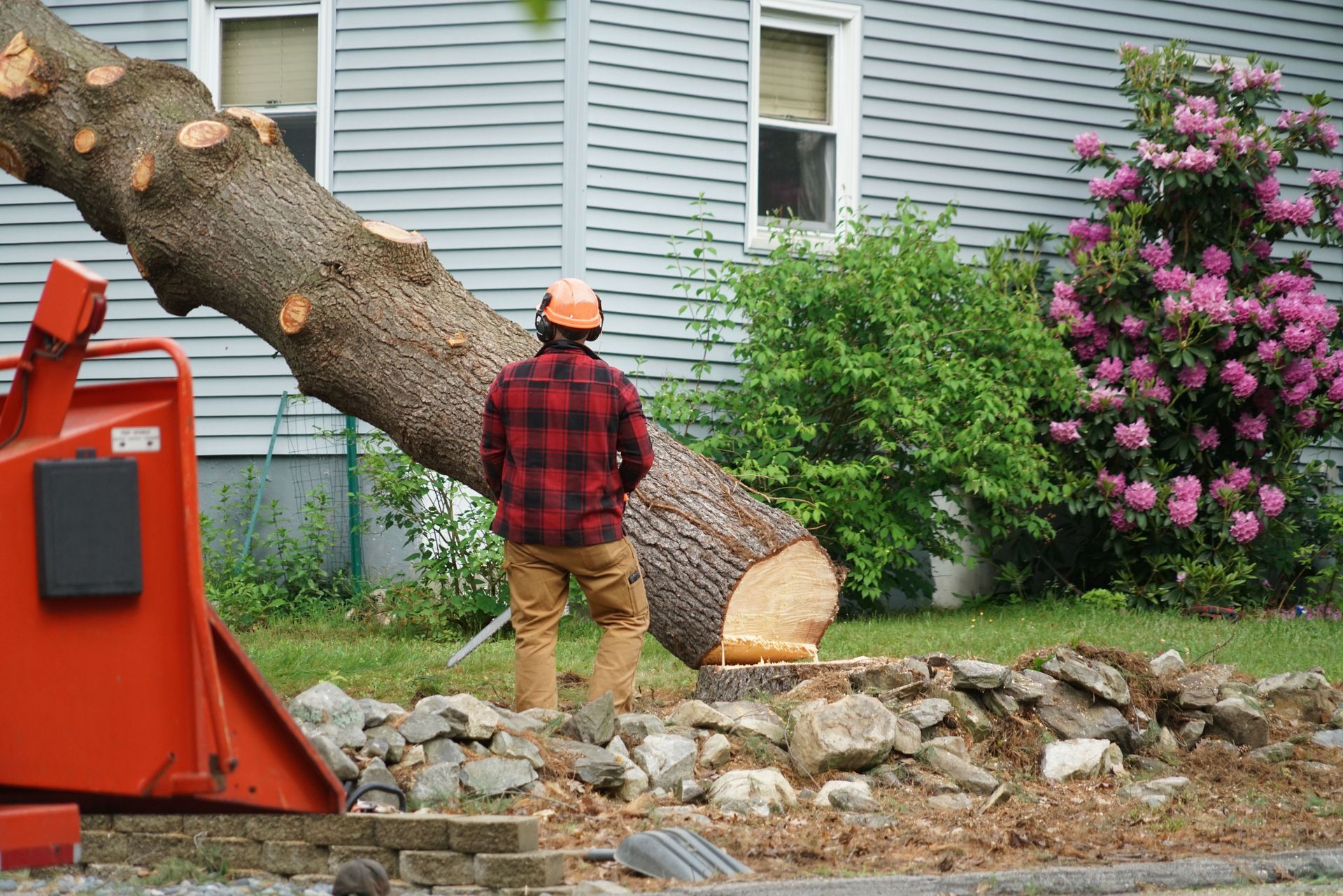
Safe equipment use depends on both the tools available and the crew's experience. A tree near a garage may require branches to be lowered in controlled sections instead of being allowed to fall freely. Limited access can affect whether a bucket truck, climbing equipment, or other methods are suitable. Experienced tree removal companies adapt the work plan to these conditions rather than rely on a generic approach.
Ask how the crew will establish a work zone, keep bystanders away, and protect nearby structures. A professional should also explain how wood, branches, and debris will be removed. Bids can differ because one includes hauling and site cleanup while another does not. Comparing these details helps reveal the actual scope, not just the price at the bottom of the estimate.
Protect Roofs, Fences, and Landscape Features
Falling limbs are an obvious concern, but property damage can happen in less dramatic ways. Heavy equipment may leave ruts in a lawn, compact soil around remaining trees, or damage a driveway edge. Dragging branches across a yard can disturb planting beds, irrigation lines, or decorative features. Even when a tree is removed successfully, these secondary effects can create repair work.
Before the job begins, identify fragile areas and discuss how crews will access the tree. Ask whether ground protection is appropriate and where cut material will be staged. Photograph existing conditions if the site is especially tight. There is no method that eliminates every risk, but practical preparation can reduce avoidable damage and clarify what restoration, if any, is included in the agreement.
Consider the Health of Trees That Remain
Poor pruning can become expensive when bad cuts damage an otherwise healthy tree, making the experience of tree removal companies worth examining. Removing too much live foliage, cutting at the wrong location, or leaving large wounds can increase stress and encourage decay. Cutting major roots during nearby work can also affect stability and water uptake. These problems are not always visible immediately, which makes proper technique important.
A qualified provider should be able to explain when pruning is appropriate and when preserving a tree is preferable to removing it. A professional assessment may identify dead branches, structural weaknesses, or signs of disease that require a different response. Thoughtful decisions also protect shade, habitat, and mature trees that would take many years to replace. Ask how proposed work could affect neighboring trees before authorizing extensive cutting.
Understand Insurance and Responsibility for Damage
Tree operations involve hazards that ordinary household projects may not. If a branch strikes a vehicle or a worker is injured, responsibility can depend on the circumstances, applicable law, and the insurance policies involved. Hiring a business does not automatically eliminate a homeowner's exposure to claims, and an advertisement saying "fully insured" does not explain what the policy covers.
When comparing tree removal companies, request current evidence of liability coverage and applicable workers' compensation arrangements, and verify details with the insurer when appropriate. Confirm any required local licensing or permits as well. A written contract should identify the work area, removal limits, cleanup responsibilities, payment terms, and how unexpected changes will be approved. These precautions matter regardless of whether a bid is high or low.
Watch for Pressure Tactics and Unclear Estimates
A price that changes without explanation is a reason to ask questions. Other warning signs include refusing to provide a written scope, discouraging verification of insurance, or insisting that a tree must come down immediately without discussing the evidence. After a storm, urgent hazards may be real, but urgency should not be used to bypass reasonable safety and hiring checks.
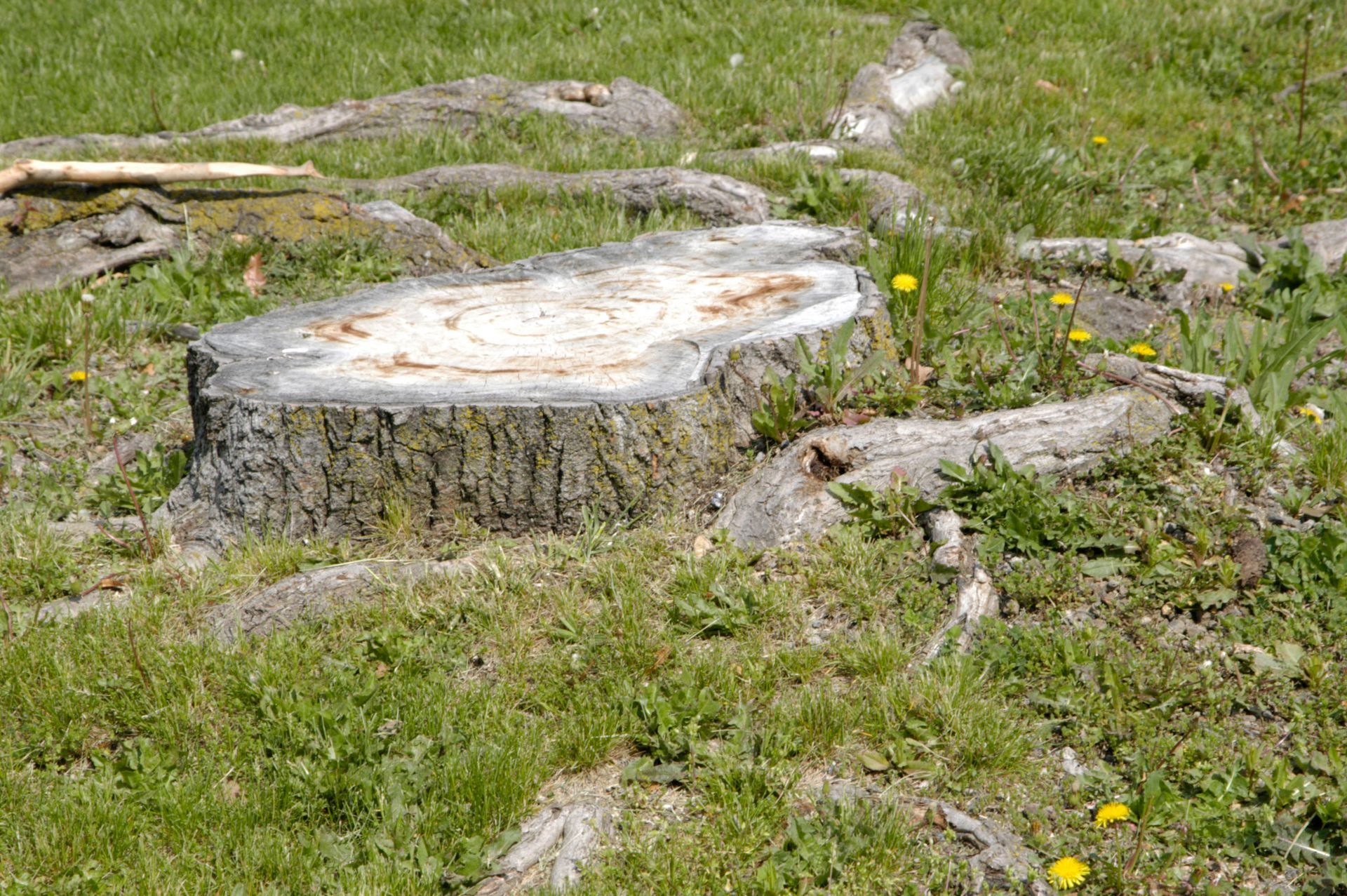
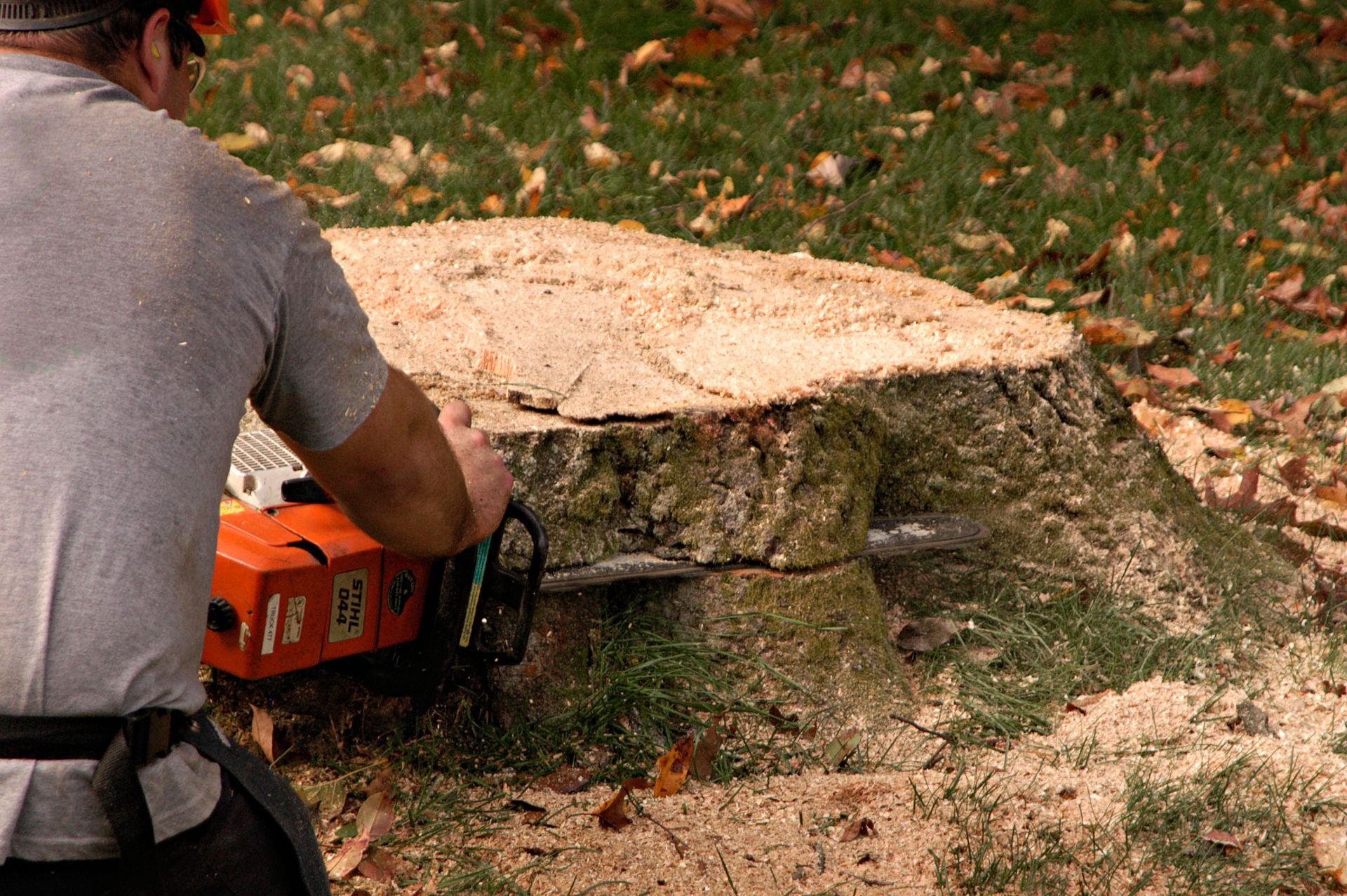
Compare estimates from different providers using the same description of the job. Find out whether stump grinding, hauling, and site restoration are included or priced separately. Deposits are not inherently suspicious, particularly when equipment or scheduling commitments are involved; what matters is whether payment terms are clear and proportional to the work. Be cautious about large, unexplained advance payments or requests that conflict with the written agreement.
Set Realistic Expectations for Timing
Time estimates from tree removal companies vary, and quick work is not always careless or less thorough. According to This Old House, depending on the size and type of tree, tree removal can take as little as 15 minutes or as long as a few hours. Those figures are useful context, not a promise that every removal will fit into that window. Access difficulties, nearby utilities, weather, and extensive cleanup can make a project longer.
Ask how the crew expects to dismantle or remove the tree and what could change the schedule. Work near electrical lines requires coordination with the appropriate utility and qualified personnel, not an improvised approach. A reputable provider should discuss site-specific challenges rather than promise a completion time before examining the conditions. The safest plan may involve extra preparation, even if the cutting itself is relatively quick.
Compare Long-Term Value, Not Just Initial Cost
A low quote may be reasonable when the tree is accessible and the work is straightforward. Problems arise when essential steps are omitted or damage leads to additional expenses. Repairing a fence, replacing crushed plants, or hiring another crew to remove abandoned debris can erase the savings. Poor pruning may also mean paying for corrective care later.
Look at what
tree removal companies actually include in their estimates: assessment, equipment, crew responsibilities, cleanup, and any follow-up work. Ask which parts of the job are necessary and which are optional. A clear answer helps homeowners avoid both unnecessary removal and false economies. Price matters, but the better comparison is the total value of the service and the risks addressed along the way.
Choose Tree Care With Clear Expectations
Reliable tree work begins with a careful look at the site, a practical plan, and honest communication about limits. Check credentials, confirm coverage, understand the written scope, and ask how structures and landscaping will be protected. These steps make it easier to judge competing offers without assuming that the cheapest or most expensive provider is automatically the right choice.
If you are considering pruning or removal, contact Warwick Tree Service Inc to discuss your property and request details about the proposed work. An informed decision can help protect your home, surrounding trees, and budget long after the project is complete.